Showing posts with label indian-cuisine. Show all posts

Thursday, May 3, 2012

Where do you buy Indian spices online?

Question

I want to learn to cook some Indian dishes. It would be preferable to know that the spices are from sustainable agriculture.

Sedona, Arizona. I did some googling and didn't find any local spice shops. I will call the local food stores tomorrow.

Here are a couple random ones I stumbled upon: Seasoned Pioneer
Penzeys Spices

But, there might be someone who has found their favorite place to shop for such spices. So please post here to share your recommends. Is it ok to shop for spices on ebay?

Asked by Dan Donnelly

Answer

Try iShopIndian.com - these guys are in Wisconsin, but they deliver ...

Answered by 5arx

Wednesday, April 25, 2012

Name the vegetable from Nilgiri hills

Question

I bought this in Ooty market and was told that it is a Nilgiri hills specific vegetable. It is pink on the outside and white inside with two hard black seeds in the upper half of it. It tastes sour, very similar to unripe strawberry.

Now, I'd like to know what the name of this vegetable is and whether it can be used in any dishes. Until know, I've been eating it as a snack, just like I would any other bite sized food.

Asked by rlesko

Answer

I think it is a fruit called Chambakka.

There are a few recipes for chambakka achaar, which means pickled chambakka.

But I would try this chambakka jelly recipe. It looks delicious!

Answered by doctoraw

Monday, April 16, 2012

What oils are suitable for Indian cooking (i.e. extended frying duration)?

Question

Indian cooking basically uses oil from the beginning of the process, typically starting with sautéing ginger and garlic, then adding shallots, chillies and onions. So the oil is on the fire for quite some time.

I would like to know whether any type of olive oil will be suitable for this type of cooking. Extra virgin olive oil seems to be out of the question from what I have read.

Asked by jogabonito

Answer

With Olive oils, the more refined they are, the higher their burning point. So you are correct, an Organic Extra Virgin Olive Oil would be a terrible choice for Indian cooking (would cause effect on taste, smell, and nutrition) which has prolonged periods of sauteing on high heat.

Lower quality olive oils, or a light olive oil, interestingly, would be a better choice. They are much more refined like vegetable oils, so have a higher burning point. But at that point, you'd consider why are you using Olive oil?

Consider using refined butter (ghee) or coconut oil for Indian cooking. Ghee and Coconut oil will rarely smoke or burn and can stand high heat pretty well. I believe traditional Indian cooking uses ghee.

Answered by Swati

Thursday, March 8, 2012

What dishes don't stain with heavy spices?

Question

In most Indian cooking, there is a relatively high chance of staining the dinnerware (plates, serving bowls) due to the high turmeric content. Dinnerware made of metal don't stain, but the heavy spices do most other materials in after a few uses.

What kind of dinnerware could I go for which are unbreakable but look better than metal?

Answer

Plastic dishes in general will pick up stains, non-plastic dishes (enamelware, glass, or glazed ceramic) in my experience won't.

For stain resistance combined with durability, as you've identified, the best option is likely enamelware, you might try looking for attractive patterns, while the old-fashioned camp cookware that we have in our cupboard isn't very attractive, I'm finding some designs that look much better online, certainly as good or better than plastic dishes.

If you can't find enamelware that's attractive enough for your taste, tempered glass dishes, as Wayfaring Stranger suggests, are certainly a fairly durable option, another would be heavy plain white porcelain dishes, which I've found to be significantly more durable than typical stoneware dishes. They'll still shatter if dropped on concrete, but they're less likely to chip in normal everyday use.

Answered by Theodore Murdock

Friday, February 17, 2012

Why would rasagullas break while cooking?

Question

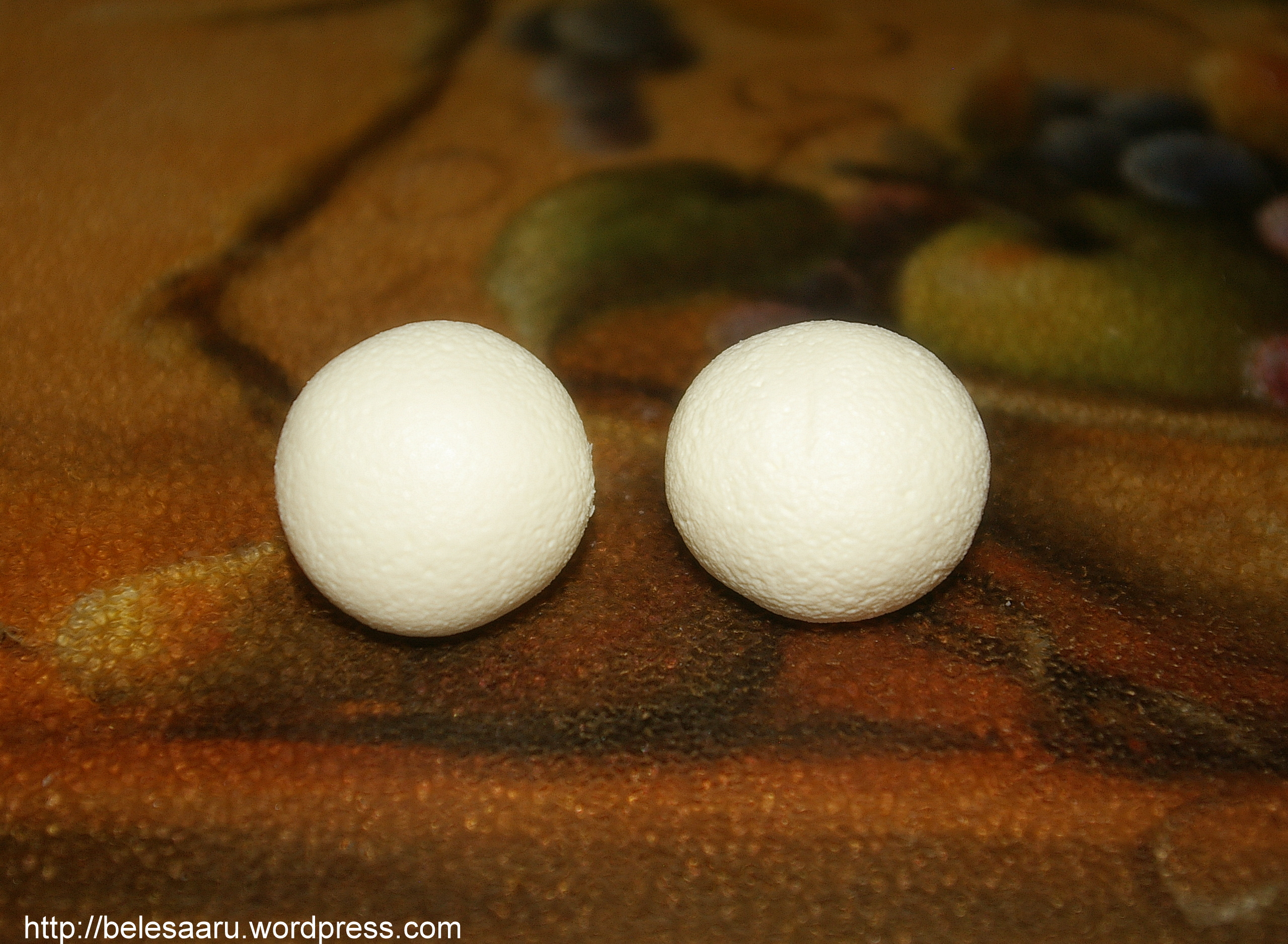
My latest batch of rasagullas were a disaster. As soon as I dropped them into the cooker, they started disintegrating. I realized the entire affair will turn out to be a super waste of effort and time.

I did cut some corners last time:
1. Did I not dry the curd enough?
2. Did I not knead the curd enough?
3. Was the sugar syrup used for boiling not saturated enough?

Any clues?

Asked by CMR

Answer

I think the water content of the rasgullas cause it to break.

To make sure that they're ready, after you drain the water from the paneer, take a bit of paneer on your palm and knead it with your thumb for about 40 seconds. You should be able to roll out a firm yet smooth ball off it. If you can't form balls, it means you will have to squeeze out more water from the paneer. In the end you should have something like a soft dough.

It takes a while to get it just right. If you can't make perfect balls in your first few shots at it, you can make rasmalai/ kheer/paneer pedas out of it, so it won't be a wasteful disaster after-all.

Refer to these articles/videos: Sources : 1, 2, 3, 4

Answered by Reno

Monday, February 13, 2012

Why doesn't my conventional-oven Naan bread taste authentic?

Question

I recently tried this recipe for Naan bread in an oven, and followed it diligently, but the product that came out did not have that characteristic flavor of Naan. It was more like a pizza bread without topping. Also, it was a bit puffier than the Naan they serve in restaurants, which is of a flat nature.

Is the flavor that you get in an authentic Indian restaurant solely because of the clay oven? What can I do to improve this recipe?

Asked by Kaushik

Answer

The flavor you want is from the high heat of the clay oven (around 900F, much like a wood-fired pizza oven). Probably nothing you can do to truly replicate it at home, but here are some things to try:

  • Use a pizza stone in the oven, and turn the oven to MAX, as hot as it will go (above 500F). Let it preheat for 45 min at least to get the stone to full heat. Put the dough right on the stone (either by hand - risky but traditional, or with a pizza peel or upside down sheet pan covered in corn meal). The naan will cook much quicker, maybe 3-5 minutes at most. If you can get the oven hot enough, you'll get a little of the "char" that is part of the flavor.
  • After mixing the ingredients, let the dough rest overnight in the fridge. The next day, pull it out, let it warm to room temp and resume the proofing process. That will let more sugars be created from enzymes converting starch to sugar, and will slightly improve browning (part of the flavor you are looking for).

Of course, if you want to get fun, you could look into one of the many tutorials on building a wood-fired oven in your yard. Lots of great baking to be had there, including a more traditional naan bread. For more tips, read up on all the things people do to their home ovens to bake better pizza - they will all apply to clay oven baking as well. Things like hearth inserts, faking out the "cleaning cycle" and other tips are common.

Addition: After a comment below, another thought came to mind - a charcoal grill. The procedure would be similar to making grilled pizza (well described in Peter Reinhart's "American Pie"). Using a charcoal grill with hardwood charcoal, a dough that is stiff enough to not immediately slide through the grate on your grill (may mean slightly less water in your dough), and making sure to brush the surface of the dough with oil or ghee before flopping down on the grill, you could probably get even closer to the clay oven. It still isn't the same thing, but you might get more of the smoky charred flavors you seek.

Answered by Sam Ley

Nan bread in conventional oven not giving same flavor

Question

I recently tried this recipe for Nan bread in an oven and followed it diligently:
http://indianfood.about.com/od/breadrecipes/r/naan.htm But the product that came out did not have that characteristic flavor of Nan. It was more like a pizza bread without topping. Also it was a bit puffier than the Nan they serve in restaurants, which is of a flat nature. Is the flavor that you get in an autentic Indian restaurant solely because of the clay oven? I hope not:)

Asked by Kaushik

Answer

The flavor you want is from the high heat of the clay oven (around 900F, much like a wood-fired pizza oven). Probably nothing you can do to truly replicate it at home, but here are some things to try:

  • Use a pizza stone in the oven, and turn the oven to MAX, as hot as it will go (above 500F). Let it preheat for 45 min at least to get the stone to full heat. Put the dough right on the stone (either by hand - risky but traditional, or with a pizza peel or upside down sheet pan covered in corn meal). The naan will cook much quicker, maybe 3-5 minutes at most. If you can get the oven hot enough, you'll get a little of the "char" that is part of the flavor.
  • After mixing the ingredients, let the dough rest overnight in the fridge. The next day, pull it out, let it warm to room temp and resume the proofing process. That will let more sugars be created from enzymes converting starch to sugar, and will slightly improve browning (part of the flavor you are looking for).

Of course, if you want to get fun, you could look into one of the many tutorials on building a wood-fired oven in your yard. Lots of great baking to be had there, including a more traditional naan bread. For more tips, read up on all the things people do to their home ovens to bake better pizza - they will all apply to clay oven baking as well. Things like hearth inserts, faking out the "cleaning cycle" and other tips are common.

Answered by phidauex

Wednesday, January 4, 2012

What is an easy-to-make dessert that goes well with Indian food?

Question

We are making vegetable curry with rice and need a dessert to go well with it. Does anyone have any suggestions?

Answer

Not authentic but a rice pudding cooked in coconut milk (cardamom opt) and chilled in individual portions is lovely with fresh fruit at the table. I had it served with passionfruit -lovely.

Keep portions dainty after a full curry meal!

Friday, December 23, 2011

How can I quickly save a tasteless curry?

Question

I made a curry last night for this evenings meal.

The main components of it are aubergines, yoghurt, ginger, tumeric, cumin and chilli.

After cooking it I tasted it and it is sadly quite tasteless. I think the mistake I made is having too much aubergine for the quantity of spices I put with it.

I won't have much time from when I get home tonight to fix the curry before we eat it.

What's the best thing to do?

Is it safe to just dump a load of raw gingerand spices in or is there a better way?

Edit

It is (supposed to be) an indian curry. It is based on a recipe for a lamb curry. I replaced the lamb with aubergines (without paying too much attention to quantities...)

Answer

Indian curry traditionally has - in addition to the ginger, turmeric, cumin and chili (I assume you mean chili powder) that you used - a generous amount of garam masala, coriander powder, and garlic.

Sometimes you'll see "curry powder" used in recipes instead of garam masala; they are similar but not exactly the same.

Either one of these would be fine, and arguably the most important missing ingredient here. I'm not even sure you could legitimately call it a curry without one of the above.

Depending on your spice tolerance, you might need to add more chili powder as well.

Note that most spices in a curry will need to be heated before they'll really release their aromas (and therefore flavour), so you can't just add them cold, and I definitely don't think you'd want the taste of raw garlic/ginger in your curry, even if it is presently tasteless. Give it a good simmer after adding some garlic (powder is fine) and garam masala or curry powder and you might be able to salvage it.

Or you could try heating the new spices dry, for a very short time, to give them a bit of a head start aroma-wise; just be very careful not to burn them.

Tuesday, December 13, 2011

What kind of rice to serve with Indian Butter Chicken (Murgh Makhani)?

Question

What kind of rice to serve with Indian Butter Chicken (Murgh Makhani)?

Are there any kind of preferred techniques, or spicing perhaps?

Answer

Basmati is classic. I am particularly fond of brown basmati rice, which has more flavor than white basmati, but it takes longer to cook and will go rancid after 6 months. If basmati is not available, any long-grain rice will suffice; short-grain rice tends to be too sticky.

As for technique, rinse the rice until the rinse-water runs clear. For every cup of rice, use 2 cups of water and 1/2 tsp salt. Bring the water to a boil; add the rice and salt and reduce the heat to a simmer. Cook covered until the liquid has been absorbed and the texture of the rice is tender.

For additions to the rice, you have LOADS of options. You can add a pinch of saffron to the water for a vibrant yellow color and distinctive floral aroma (if you just want color, add 1/2 tsp ground turmeric). You can add chunks of peeled ginger, cracked peppercorns, whole peeled garlic cloves, whole cardamom pods, whole cloves, whole bay leaves, whole kaffir lime leaves, and/or whole stick cinnamon -- amounts and combinations are entirely up to your taste (just remember to remove any bay leaves before serving; remove the others or not as you like, but bay is inedible). You can also add cooked vegetables, such as peas, butter beans, pearl onions, and/or carrots.

Monday, November 14, 2011

Is it possible to make onion Bhajis without a deep fryer?

Question

I love these things. Is it possible to cook them in e.g. a frying pan if I keep turning them around? Or maybe by just filling up my crockpot a little way with oil (enough to cover the Bhajis but not so much it will spill over or spit everywhere)? Is that safe?

Answer

Yes, you can cook them in about 1" of oil in a steep sided frying pan or wok. Just turn them reasonably frequently to ensure even cooking.

If you're dubious about using a lot of hot oil, you can use less by making your bhajis a flat, patty shape and shallow frying.

Tuesday, November 8, 2011

Where can I Buy Kaima or Jeerakasala Rice?

Question

I'm trying to prepare an Indian Biriyani dish, and it calls for Kaima rice, also known as Jeerakasala. I understand that there are alternatives, like Basmati, but I really would love to try this particular variety. Where do you think I could purchase some (I live in the US, in NC, ordering online would be great)?

If nothing else, could you suggest a rice that is extremely similar?

Thanks in advance.

Answer

You need to use Kali Jeera rice available in most Patel stores or big indian stores. We were also looking for this and avoiding Kali Jeera thinking it is some black rice whereas it is not. This is rice used in Nor Malabar chicken biriyanis.

And no need to mention that ghee rice or biriyani prepared with Kali Jeera rice tastes way better than normal Basmati rice.

Wednesday, October 26, 2011

Secret to takeaway curry

Question

It's become something of a quest for me to find a curry recipe that tastes like the curry you get from an Indian Takeaway. I'm getting close with the consistency, but can't get the taste right.

I won't list the various and numerous things that I've tried, but most of the variations that I've tried include:

tomatoes (I've tried fresh, tinned and purée), onion, yoghurt (although this doesn't seem to affect the flavour, so I stopped using it), cumin (tried seeds and ground), mustard seeds, coriander (fresh and ground), ginger (fresh and ground), fenugreek (fresh and ground), garam masala.

I'm pretty sure that I'm missing one or two ingredients that restaurants and takeaways use as a matter of course, but I haven't been able to find it. Can anyone point me in the right direction?

EDIT:

I didn't realise that they differ, but I'm in the UK - so that's the takeaway I'm referring to.

I appreciate curry's vary in taste, but there seems to be an underlying taste to all the tomato based ones. For the purpose of clarity, I'm trying to make a Rogan Josh.

Here's a sample of the sort of thing that I've been trying:

  • 4 - 5 tomatoes, skinned and chopped
  • 1 Onion chopped
  • 1 lb Diced Lamb
  • 2 - 3 Garlic cloves crushed and chopped
  • 2 tablespoons of Garam Masalla
  • 1 tablespoon turmeric
  • 1 teaspoon mustard seeds
  • 1 teaspoon cumin seeds
  • 1 tablespoon ground coriander
  • 1 tablespoon ground cumin
  • 1 inch root ginger grated
  • Oil

Slowly heat the mustard and cumin seeds until the pop, then add the onions and garlic and fry gently until soft. Add the meat and up the heat to cook. After about 10 mins add the other ingredients and leave for an hour or until the tomatoes have turned into sauce.

Another thing that I've tried is puréeing the garlic, spices, tomatoes and ginger and adding that after the onions are cooked. This helps with the consistency, but doesn't really affect the taste.

EDIT:

The best single answer that I had to this was cream. However, cloves did also make a difference. I still haven't managed to get the takeaway flavour, but thanks for all the suggestions.

Answer

If the English curry is similar to this, you are missing CREAM!

alt text

Tuesday, August 30, 2011

Which spice gives brown colour to Indian curry?

Question

Many of the premixed curry pastes and curry dishes I have eaten have a brownish / reddish colour to them.

I have a nice collection of spices that I cook with, but my curries seem to always look and taste quite similar. Most of these are a yellowy colour, dominated by turmeric.

Thinking of butter chicken and also a goat masala that is available at a local restaurant; what dominant coloured spice am I missing that would give my curries a red or brown colour?

I am assuming that these would introduce me to some new flavours that I can mix and match with.

Note: I already have paprika.

Answer

I've seen a lot of different curry recipes with varying levels of authenticity, but the most common ingredients I see in curries that might impart that colour are:

  • Garam masala (brown)
  • Chili powder (red)
  • Cumin (brown)
  • Paprika (red)
  • Tandoori powder (usually a mix of masala, cumin, ground red pepper, fenugreek, and others - very red)
  • Saffron (red)

Still, it's all kind of a moot point, because, in Indian restaurants the most common source of red is actually red food colouring. Don't kid yourself; Indian restaurants use plenty of "artificial" ingredients - they also usually use food colouring in the saffron rice, which is how they get those few vibrant red grains to mix in with the yellowish rice.

Friday, August 5, 2011

Using Chakki Atta instead of whole wheat flour?

Question

I bought a bag of chakki atta from an Indian grocery store. The back of the bag says that it's 100% whole wheat flour. It was cheaper than traditional American style whole wheat flour, so I decided to buy a bag to see how well it would work.

At home, the main thing that I noticed was that chakki atta looks different. The whole wheat flour that I'm used to is tan with dark flecks. Chakki atta is a more uniform yellowish tan without any flecks, or maybe the flecks are just really small. I've used it a few times in bread baking, and it seems to work well.

My question is, does anyone have a better idea of how packaged chakki atta is different from whole wheat flour, and what kinds of things it is good for?

Answer

In theory chakki is a flour mill, and chakki atta is flour fresh from that mill. Realistically of course nothing you find on your grocery store shelves is fresh from a mill.

Atta flour is made from hard wheat, which has a high gluten content. This means that your flour is probably better for bread than typical all-purpose whole wheat flour from the baking aisle. If it is hard white wheat this might explain the color, as ground white wheat doesn't look that much darker than all-purpose flour.

Like typical grocery store whole wheat flour, atta flour is coarsely ground. This may give your bread a more grainy texture (not a bad thing), and makes atta unideal for cakes, biscuits, and quick breads unless you like them with a coarse texture in the crumb. If you would like to use whole wheat for baking other than bread, whole wheat pastry flour is the usual suggestion (or grind wheat yourself to a very find grind).

Saturday, July 16, 2011

Papadum sauces - making my own

Question

In Indian restaurants you get usually Papadum as appetizer. It is often served with 3 sauces, one green sauce with a light peppermint taste, one red a bit sweet sauce and one very hot sauce.

These sauces seem to taste often (but not always) very similar regardless of the restaurant. I tried to copy them (especially the green one) but so far the results were a bit disappointing.

Does anyone have an idea what these sauces are called or how they are made?

Answer

The sauces are called chutney (plural chutneys).

The green one, called hari chutney in Hindi, is generally made with a mixture of coriander (cilantro) leaves and mint leaves. Hari means green in Hindi. The leaves (I have used them in a 3:1::coriander:mint ratio) are ground to a fine paste along with a tbsp of sugar, a pinch of salt, and about 2 tbsp of lime juice (to prevent oxidation of the ground greens and to provide a tangy taste). Some variations of this may add ginger (for flavor) or peanuts (as a thickening agent) to the mixture.

The red chutney, called imli chutney in Hindi, is very often made with the juice of tamarind (imli in Hindi). Tamarind is soaked in water, strained and mixed with sugar, rock salt, toasted and ground cumin, dry powdered ginger, and powdered pepper. Rock salt and dry ginger give this chutney its distinct taste. Very often restaurants add artificial red color to this chutney to turn the color from brown to red.

Tuesday, July 12, 2011

How to make soft Gulab Jamuns?

Question

I use Gulab Jamun mix of the Gits company. http://www.gitsfood.com/gulabjamun/

The problem is that even on low fire the balls get brown from out side, but don't get cooked "properly" within. When I try to cook it for a longer time, they tend to be hard.

What can I add to the mixture so that it cooks "properly" within and remains soft too? Sodium bicarbonate? or something else can work too?

Answer

Add baking powder to the mixture, if needed, as it will cause them to puff up and lighten when cooked. Adding a little cream may also help.

I have a Gulab Jamun recipe from "Dance of Spices" by Laxmi Hiremath, pg 412, which lists the following for the dough:

  • 0.5 cup (120 mL) unbleached all-purpose flour
  • 2 cups (around 470 mL) powdered nonfat dry milk
  • 1 tsp (5 mL) baking powder
  • 1 cup (236 mL) heavy whipping cream (probably listed as "double cream" where you live, see question on cream types)
  • about 1 TBSP water (15 mL)

The dry ingredients are mixed, then the cream is gradually mixed in, and the water is added to make a smooth, pliable dough.

What can I cook for Indian guests without trying to mimic Indian cuisine?

Question

I am raised in Belgium, with the Belgian cuisine related to the French and (to a much lesser extent) the German. I'm having Indian friends over for dinner and I don't know what to cook for them.

Last time I had an Indian friend, I tried to cook something authentic, the way my grandma would have prepared it: lots of veggies, with very little spices and not too salty. It was not a hit. Indian people are used to very spicy food (compared to Europeans).

I don't want to try to mimic the Indian cuisine in front of Indian people. That won't work. But I still want to prepare something that they will like, based on our local culture. Can you give me any suggestions?

Answer

If Belgian food is anything like the Dutch food my Oma made, your best bet is to limit it to the dessert course and strike out in a different direction. Even there, throwing in an extra pinch of salt and a little fresh ginger or cardamom powder may help liven it up for your friends.

One area where you'll both be happy: Mediterranean/Middle-Eastern fare. If you pick a recipe with plenty of aromatic herbs and spices, and maybe yogurt, it'll have the rich flavors your friends are used to. However, they won't be the same dishes they have at home, so they can't compare unfavorably to their mom or auntie's cooking. Flatbreads, kebabs, braised lamb, goat, yogurt sauces... these will be familiar elements, but by using Mediterranean or Middle-Eastern versions, you'll give them a taste of the exotic too.

Using South or Central American cuisine will have similar results; dishes rich in pungent chilis, cumin, and coriander will combine elements of comfort food with something new. Indian chapatis and naan (flatbreads) are very similar to homemade tortillas. It goes without saying that beef is to be avoided. Depending on what part of Indian your guests are from, coconut milk and tamarind paste may be other familiar elements to play with.

Portugal also has a fine tradition of spicy foods, including the Vin d'alho which Indian adapted into the now-familiar vindaloo.

If you don't feel comfortable with these cuisines, you might do Indian, but with a fusion twist. I found that Saag Paneer with blocks of feta instead of paneer is absolutely divine. Halloumi cheese might work well too. In fact, I'd say it's better than the original dish.

A word on dietary restrictions: Presumably you know your friends' dietary needs, but if they're bringing new acquaintances it is wise to give some thought to dietary restrictions. Many Indians are Hindus, who do not eat beef, and another major fraction are Muslim. Muslims follow a dietary law called halal, which is very similar to kosher law, and likewise excludes pork and animal blood. It also excludes alcohol... which means a spicy tamarind-port pork marinade isn't viable. A sizable part of the Indian population is also vegetarian, so any meal should include a vegetarian entree.

Sunday, July 10, 2011

Does paneer have to be cooked?

Question

I want to just toss it into some indian food I have. Does it need to be cooked first or is it ok if it just warms up a bit when I throw it in the sauce?

Answer

Paneer can be used as is. Sometimes it is fried to extend shelf life. Cooks will also sometimes fry paneer until it is slightly brown and then put the fried cubes of paneer in hot water for a few minutes. This makes paneer very soft.

If you do cook paneer, it will not melt, like most other cheese varieties, because it's an acid-set cheese.

What type of yoghurt should I use for making curry?

Question

I've seen a lot of recipes specifying "yoghurt" when making an indian-style curry, but very rarely do they specify what type.

The problem is compounded for me in that I live in a country where I don't speak the native language, and their concept of what may or may not be yoghurt is possibly different from mine.

Is turkish yoghurt okay? Or should I look for something else? Or does it not even matter?

For reference, I'm intending to make a chicken korma or something along those lines.

Edit: I live in Sweden.

Answer

I think for Indian recipes you should in general look for an unstrained, set yoghurt. There are other factors that determine the final taste and texture of the yoghurt (the bacteria, the type of milk, length of fermentation, …) but you may not have much choice w.r.t. other factors than these two:

Production process: Set yoghurt is yoghurt that's made the traditional way, it's fermented in the pot that it's sold in. Stirred yoghurt on the other hand is fermented before being packaged; it's a more industrialized production process which is cheaper, but results in a more sour, thinner yoghurt. Stirred yoghurt has a smooth, pourable consistency; whereas set yoghurt is firmer. I got a bit confused when I was using stirred yoghurt the first time I tried making raita and the recipe told me to whisk the yoghurt till it was smooth. The pretty sour taste of the yoghurt also didn't go well with the spices, and the juice from the cucumbers made the already-thin yoghurt too watery. You could try fixing both problems by straining the yoghurt a bit and adding sugar, but it's better and easier to just buy set yoghurt. The yoghurt's packaging might say explicitly what type of yoghurt it is, but if it doesn't or you don't understand the language: avoid yoghurt that comes in “milk carton”-like containers, that most definitely means it's stirred yoghurt. A plastic pot doesn't mean it's set yoghurt though, but it's a better bet.

Thickness: Strained yoghurt (like “Greek-style yoghurt” in Europe and the USA) is yoghurt from which the whey has been removed. It's pretty thick and sometimes also referred to as “yoghurt cheese.” In India it's used for example in the dessert Shrikhand, but if a recipe doesn't specify that you should strain the yoghurt, you should assume it's unstrained or briefly strained. Wikipedia says: “In south Asia, regular unstrained yoghurt (dahi), made from cow or water buffalo milk, is often sold in disposable clay pots. Kept for a couple of hours in its clay pot, some of the water evaporates through the clay's pores. But true strained yoghurt (chakka) is made by draining dahi in a cloth.” Should you really only find strained yoghurt, you can probably just thin it back with water or milk.

I should maybe add I don't have first-hand experience with what yoghurt from India tastes like, but I've observed that the ethnic shops in my area and one Indian take-away where I could peer into the kitchen all sell/use the exact same brand of yoghurt, which is an unstrained, set yoghurt with a mild (not too sour) taste.